
by Juliet Perrachon, Senior Director, Marketing & Communications at NorthStar
Last week I had the privilege of attending the annual PENS conference, where my role was to better understand who our members are and what drives them.
What I discovered went far beyond one professional society. It raised a broader question that applies across healthcare — and likely across many specialized fields:
What is the real value of belonging to a professional association in 2026?
In a world that feels increasingly complex, fragmented, and uncertain, it turns out that professional community may be one of the most important forms of infrastructure we have.
Associations are no longer optional enrichment. In niche fields, they are the connective tissue that holds the profession together.
1. Belonging in a siloed system: “I didn’t realize I was alone until I wasn’t”
One of the most consistent themes across conversations with pediatric endocrinology nurses and nurse practitioners was a quiet but powerful sense of professional isolation.
Many described working in environments where they were:
- the only specialist in their role
- part of small, highly specialized teams
- or carrying responsibilities that few others in their institution fully understood
And yet, the most striking shift did not come from learning something new, it came from realizing others were living the same experience.
One clinician described it as “feeling like I was on an island.” Another described finally meeting peers and realizing, “Oh… I’m not the only one doing this.”
There was a repeated emotional pattern after attending the conference: relief, recognition, and connection.
Or as one participant beautifully put it, it felt like “coming home.”
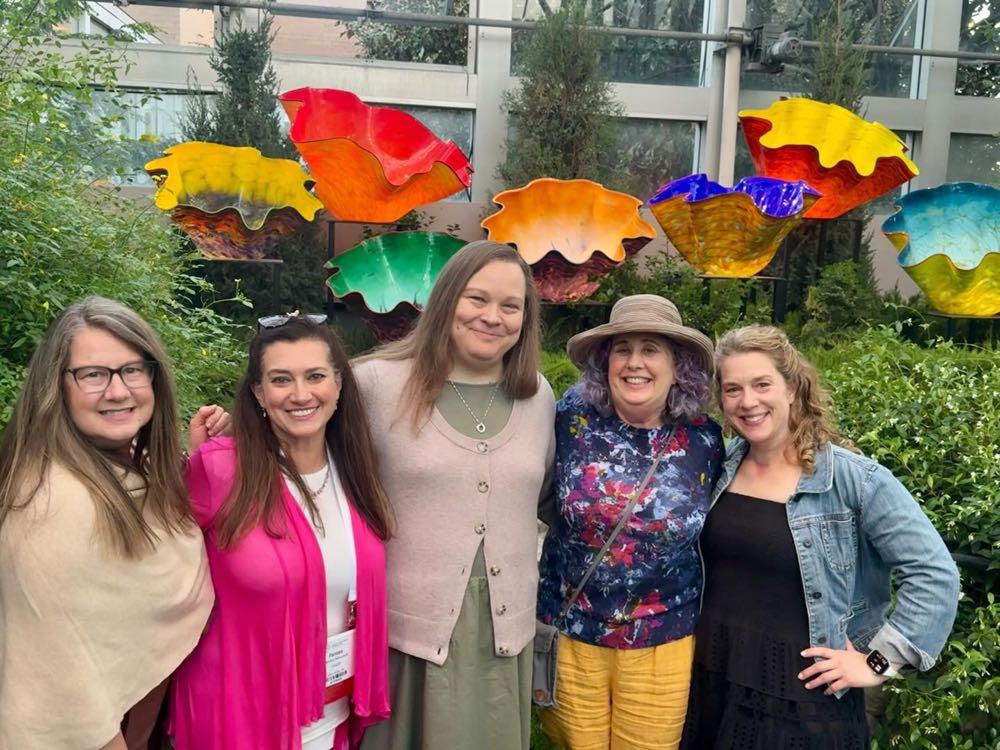
In that moment, the function of an association becomes very clear. It is not just about professional development — it is about removing the isolation of highly specialized work.
2. Identity reinforcement: seeing yourself reflected in your profession
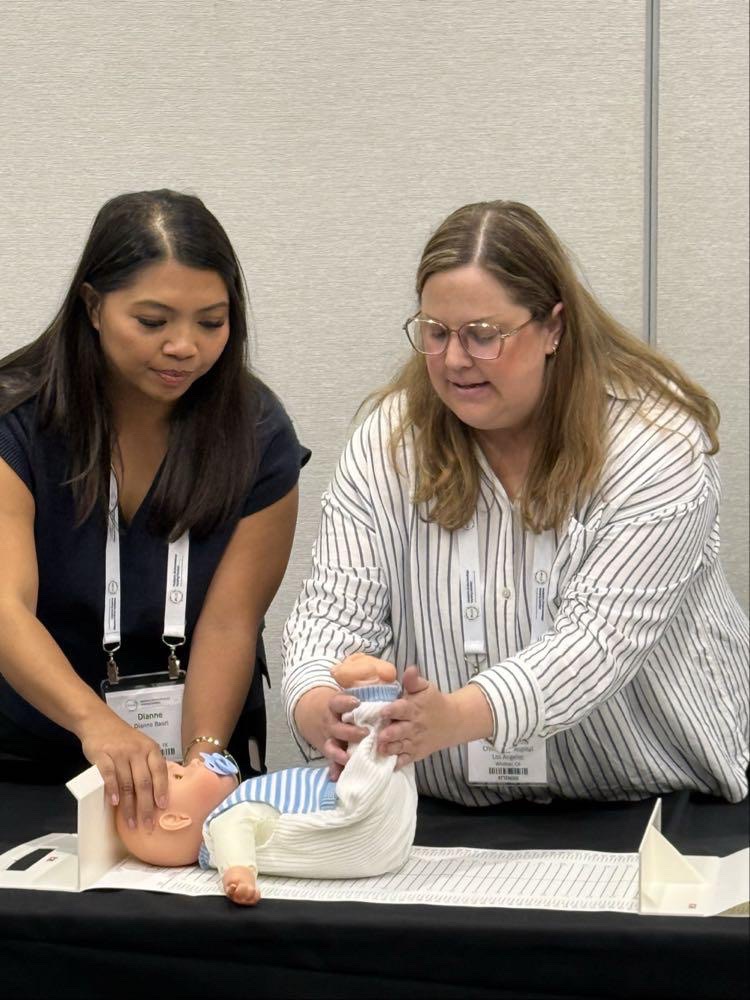
In niche clinical fields, identity is often formed in isolation, shaped by the specific institution you happen to work in rather than the broader field you belong to.
What stood out across conversations was how quickly that shifted once people entered a shared professional space.
Clinicians consistently described a recalibration:
- “I didn’t realize how much I was doing until I saw others doing it too.”
- “It helped me see my own value as a clinician.”
- “It made me realize this is a real specialty with a real community.”
This is a subtle but important point: professional associations don’t just teach skills; they help people locate themselves inside a wider professional identity.
Without that, highly specialized clinicians easily feel like they are operating in isolation rather than within a recognized field.
3. Career growth is not linear; it’s relational
Another strong theme was how deeply career progression is shaped by exposure to people, not just formal pathways.
Across multiple discussions, clinicians described moments where:
- a conversation at a conference changed their trajectory
- seeing others present research made advanced roles feel possible
- mentorship connections influenced decisions to pursue advanced degrees
- informal encouragement unlocked confidence they didn’t know they were missing
One clinician reflected that meeting peers who had completed advanced training made her think, “I can do this too.”
Another described how relationships formed through the association ultimately shaped her decision to pursue doctoral training.
In other words, career development in niche fields is not primarily structured by hierarchy. It is shaped by visibility, proximity, and encouragement from peers doing similar work.
Associations make those pathways visible.
4. Knowledge only matters when it moves
Perhaps one of the most practical and overlooked functions of a professional association is not what is learned, but what is shared.
Clinicians described constantly adapting to:
- new therapies
- evolving treatment protocols
- insurance barriers
- and institutional differences in care delivery
But what stood out most was how often they relied on each other for practical tools, not just ideas.
Examples included:
- sharing letters of medical necessity across institutions
- exchanging templates for insurance appeals
- comparing approaches to new therapies
- discussing how different systems navigate the same clinical barriers
As one clinician put it, there is little point in generating knowledge if it stays contained within one institution.
In this way, associations function as a kind of knowledge infrastructure — moving expertise from individual practice into collective intelligence.
5. When systems fall short, community fills the gap
The final theme was perhaps the most structural.
Across interviews, clinicians described real constraints within their healthcare systems:
- limited funding for conferences or continuing education
- difficulty leaving clinical coverage
- uneven support for outpatient vs inpatient roles
- and increasing administrative burden tied to insurance and prior authorizations
At the same time, expectations on clinicians are expanding particularly as workforce shortages increase and nurse practitioners and nurses take on broader roles in specialty care.
This creates a gap between responsibility and support.
Professional associations increasingly sit in that gap.
They provide:
- access to specialty-specific education
- peer support and troubleshooting
- mentorship and encouragement
- and exposure to best practices that may not exist within a single institution
In many ways, they are not simply “nice to have” — they are compensating for structural gaps in the broader healthcare system.
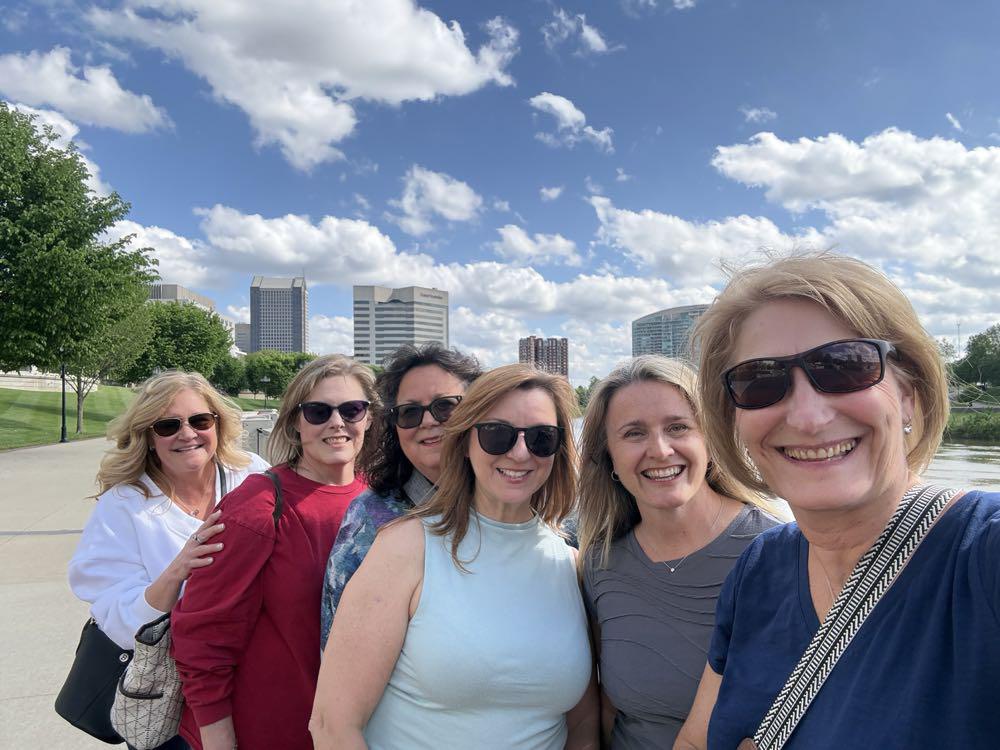
What became clear through these conversations is that professional associations are doing far more than hosting conferences or disseminating education.
They are:
- reconnecting isolated clinicians
- reinforcing professional identity
- shaping career trajectories
- circulating practical knowledge
- and providing support where systems often cannot
In highly specialized fields like pediatric endocrinology nursing, this role becomes even more pronounced.
Because when your work is niche, your peers are not just colleagues. They are your reference point for how the work is done.
And in that context, belonging is not secondary.
It is foundational.